
A Healthier Smile Starts From Within
At Viva Orthodontics, we look beyond aesthetics to support your overall well-being. Dr. Jimmy Martineau provides comprehensive, whole-patient orthodontic care that includes advanced solutions for airway and sleep issues in children, teens, and adults.
Better Breathing Means
Better Health
Airway issues can disrupt sleep, focus, and development — especially in growing children. At Viva Orthodontics, Dr. Jimmy Martineau uses advanced diagnostics and treatment options to help improve breathing and set you up for long-term wellness.
What Are Airway Issues?
Airway problems often involve narrow arches, underdeveloped jaws, or blocked nasal passages that limit proper airflow during sleep. This can lead to mouth breathing, snoring, poor sleep quality, and even behavioral issues in children.
In many cases, airway problems are linked to the way the jaws and teeth develop. That’s why orthodontists trained in airway-focused treatment are in a unique position to catch and correct these issues early.
Why Airway Treatment Matters
Treating airway problems early can dramatically improve sleep, energy, mood, and overall health. For children, this often means better focus in school, healthier development, and fewer long-term complications.
At Viva Orthodontics, Dr. Jimmy Martineau looks beyond just straight teeth — he considers the whole patient.
Airway evaluations are a natural part of our process, and when needed, we create treatment plans that may include arch development, jaw expansion, or collaborative care with other providers to ensure your child or teen can breathe, sleep, and grow properly.
A Simple, Comfortable Way to Breathe Better at Night
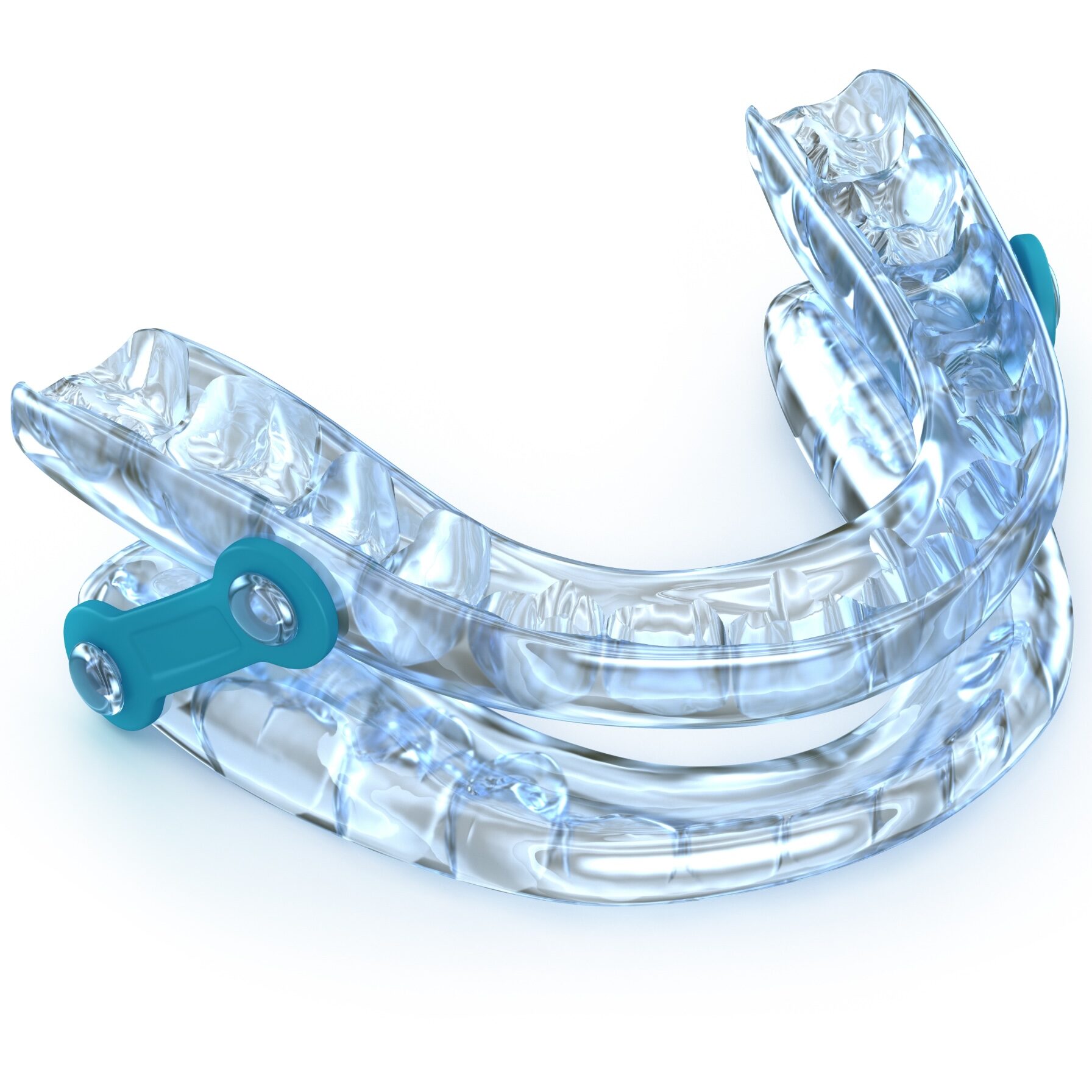
Oral sleep appliances keep your airway open by gently positioning your jaw or tongue for smoother, more natural breathing. The result is deeper sleep, reduced snoring, and more energy throughout the day.
What Are Oral Sleep Appliances?
Oral appliances are custom-fit devices worn during sleep that help maintain an open airway by guiding the jaw and tongue into a healthier position.
Unlike CPAP machines, they’re small, quiet, and comfortable — designed to support natural breathing without bulky equipment.
These appliances are often recommended for patients with snoring or mild to moderate sleep apnea who want an effective, easy-to-use solution.
Different types of oral appliances include:
- Mandibular Advancement Devices (MADs) gently move the lower jaw forward, helping keep the airway open and reducing snoring and sleep apnea symptoms.
- Tongue-Retaining Devices (TRDs) hold the tongue in a forward position to prevent it from falling back and blocking airflow during sleep.
- Combination/Hybrid Appliances offer support for both the jaw and tongue, providing a more comprehensive solution for patients who need dual airway support.
Why Oral Appliances Make a Difference
By improving airflow, these devices reduce nighttime interruptions and promote more consistent, high-quality sleep.
Better sleep leads to better days—boosting energy, improving focus, and supporting long-term health.
Many patients also notice reduced morning grogginess and snoring, making rest more peaceful for both themselves and their partners.
Palate Expanders
Widening Your Smile’s Foundation
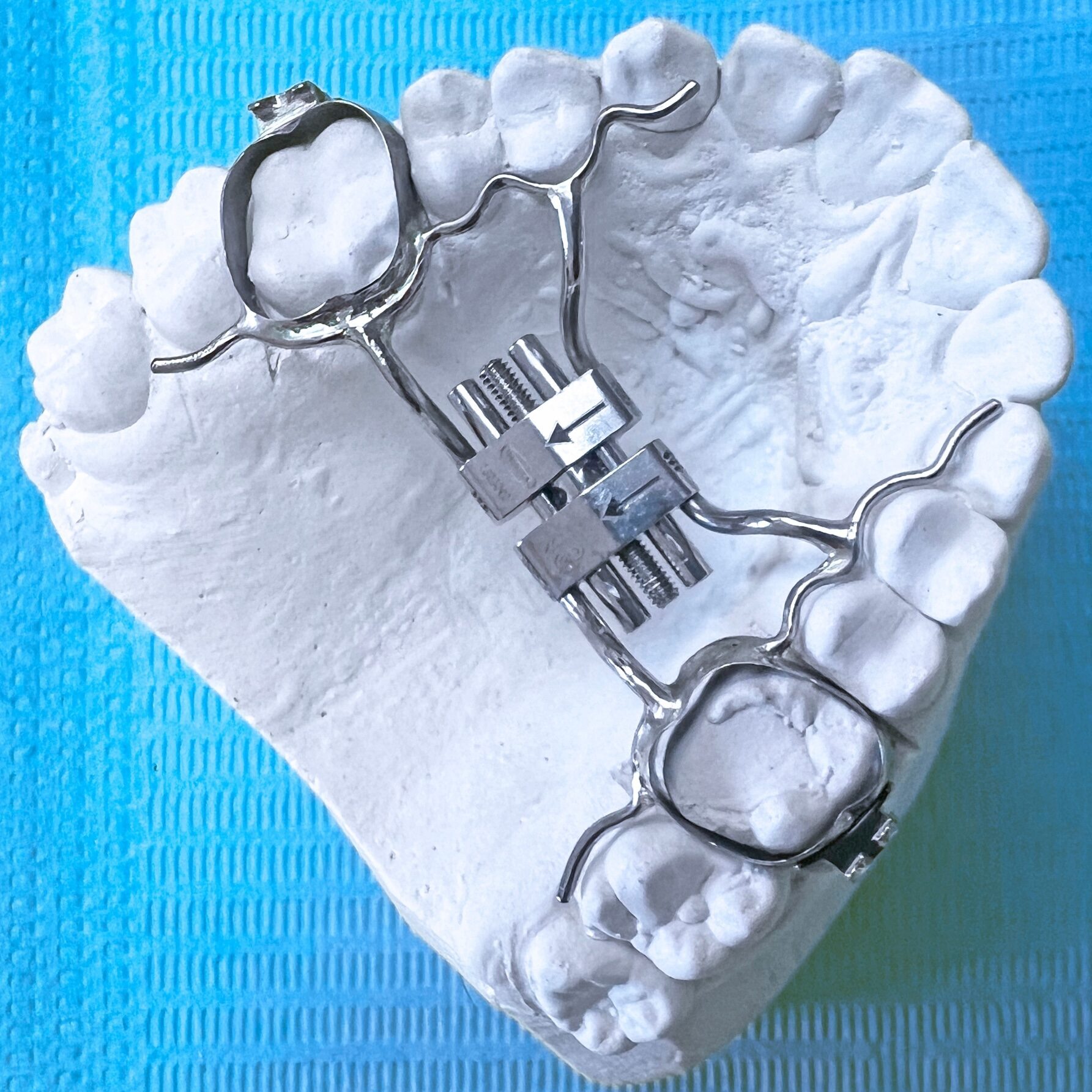
Palate expanders help create the space your teeth and jaws need to develop healthily, often preventing the need for more complex treatment later. This early intervention can guide your child’s growth and reduce the need for future extractions or surgery.
How Palate Expanders Work
A palate expander is a device placed in the upper jaw (palate) to widen it over time. It applies gentle pressure to the mid-palatal suture, allowing the bone to respond and create more room for teeth, thereby improving the dental arch. In children and adolescents, the bones are still growing and more responsive to expansion.
Making Room for a Healthy Smile
Expansion can help resolve crowding, reduce the chance of extractions, and allow permanent teeth to emerge more naturally. A properly expanded palate can help improve how the upper and lower teeth fit together, aiding biting, chewing, and even jaw alignment.
Likewise, widening the roof of the mouth can positively influence nasal airflow and breathing, which may support better sleep and overall health.